Vegan protein has become a powerful and effective option for supporting strength, performance, and overall health. Science shows that plant-based protein can be just as effective as animal protein when it is properly combined and consumed in adequate amounts. The key lies in understanding how plant proteins work in the body and how to choose the right sources.

Discover the best vegan protein
Plant-based proteins from legumes, nuts, seeds, and whole grains offer more than just amino acids. They also provide fiber, antioxidants, and anti-inflammatory compounds that support recovery, digestion, and long-term health. Unlike many animal-based proteins, they are typically lower in saturated fat and are linked to better cardiovascular health.
By combining different sources, pairing foods like beans with grains or mixing protein sources such as peas and rice creates a complete amino acid profile, allowing your body to build and repair muscle effectively. These are just as effective as animal protein when total intake is adequate and paired with resistance training.
The top vegan protein picks to nourish, strengthen, and support your body from within
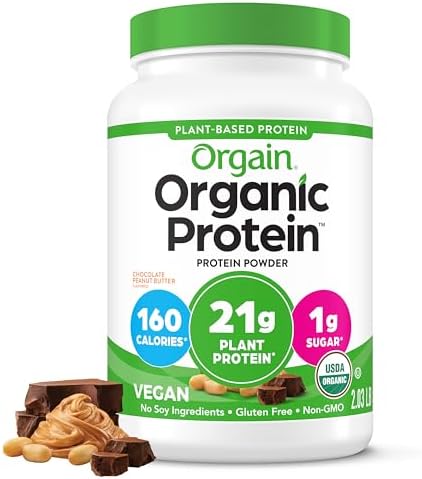
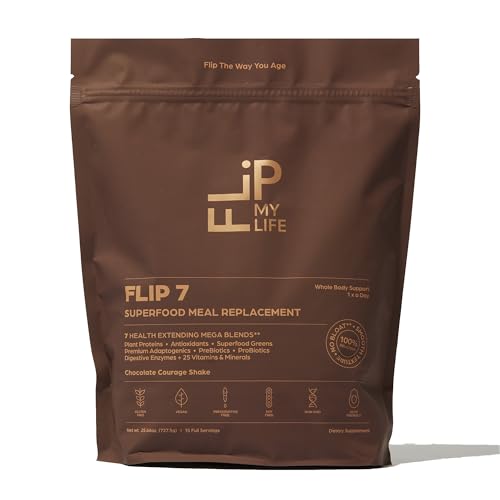


Choosing vegan protein is about being intentional. By selecting high-quality blends, ensuring variety, and maintaining adequate intake, you can fully support your fitness goals and overall well-being. With the right approach, plant-based protein becomes more than just a supplement it becomes a foundation for strength, balance, and long-term health. Ensuring to be more effective options focus on quality, combination, and absorption.
If you’re on the go, there are great options for those busy mornings
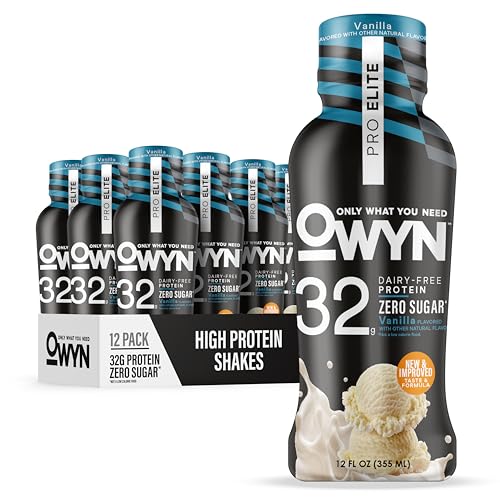

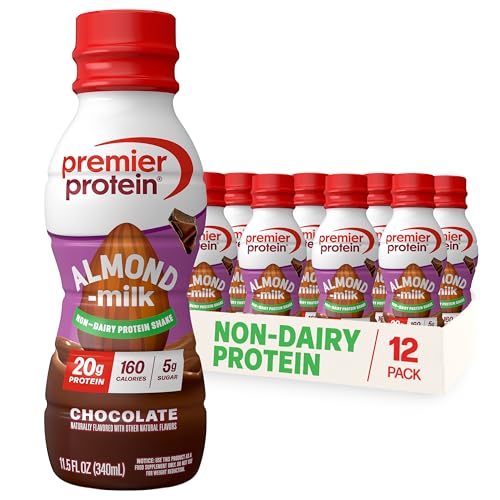
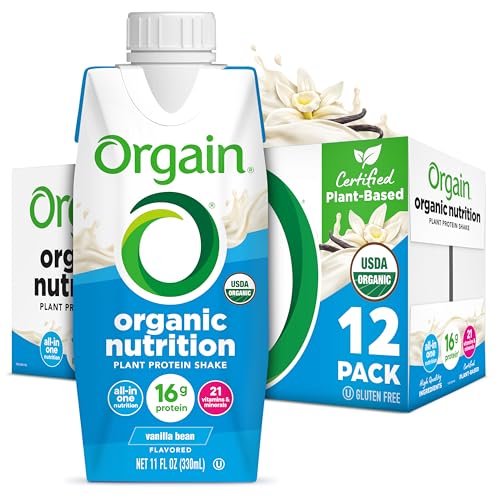
Vegan protein is not necessarily better because it builds more muscle, it’s effective because it offers a holistic approach to health. When properly planned, it delivers the same physical results while also supporting digestion, reducing inflammation, and promoting long-term wellness.
What Makes the Best Vegan Protein
Not all vegan proteins are created equal. The most effective options focus on quality, combination, and absorption. A high-quality vegan protein should include a blend of different plant sources:
- Pea protein
- Rice protein
- Chia seeds
- Lentils
- Chickpeas
- Black beans
This combination ensures a complete amino acid profile, making the protein more efficient for muscle repair and growth. Additionally, the best vegan proteins often include ingredients that support digestion and performance, for example:
- Digestive enzymes to improve absorption
- Minerals for muscle function
- Fiber for gut health
- Superfood greens for added nutrients
- Vitamins to support energy and recovery